


Related

The vessel is propelled through space by different engine systems for travel between and within star systems.
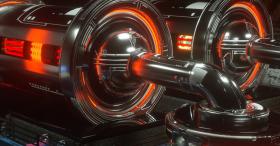
Engineering systems are responsible for the core operations of the ship, including power generation, propulsion and life support.
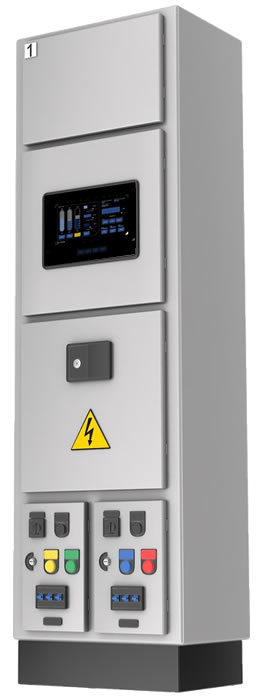
Power distribution nodes are used to route and convert power across the vessel's Power Distribution System (PDN).
Each node can receive power from up to three sources via its upstream interface. The supplied power is aggregated and made available for allocation to up to three other nodes via its downstream interface.
Power is distributed to and from a node via connected conduits.
Distribution nodes typically have a number of both upstream and downstream conduits to ensure redundant power routing options and for efficient power distribution.
Standards Conversion
A node can convert power standards before distributing to downstream nodes if equipped to do so. This capability is specific to the node's hardware and is not a configurable option.
UPS Nodes
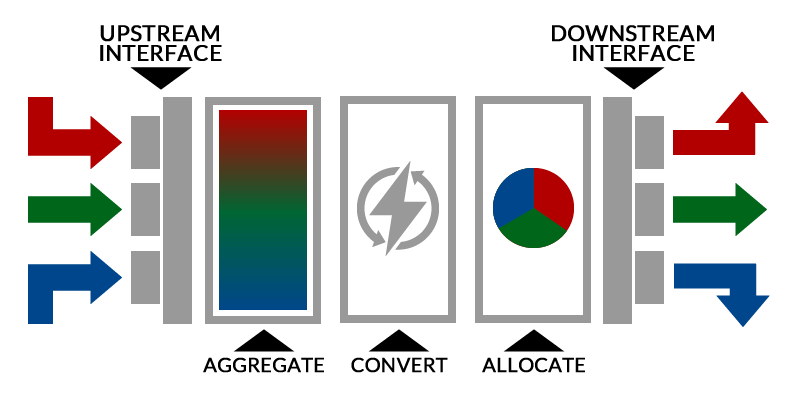
Distribution nodes can be equipped with battery storage to provide Uninterruptible Power Supply (UPS) capability.
Node Variants
A number of node variants perform specific functions in the PDN.
Supply Nodes
Supply nodes are connected directly to a power generation source such as a reactor or auxiliary power system and so only have a downstream interface (to deliver power).
System Nodes
System nodes are connected directly to a ship system that uses the supplied power and so only have an upstream interface (to receive power).
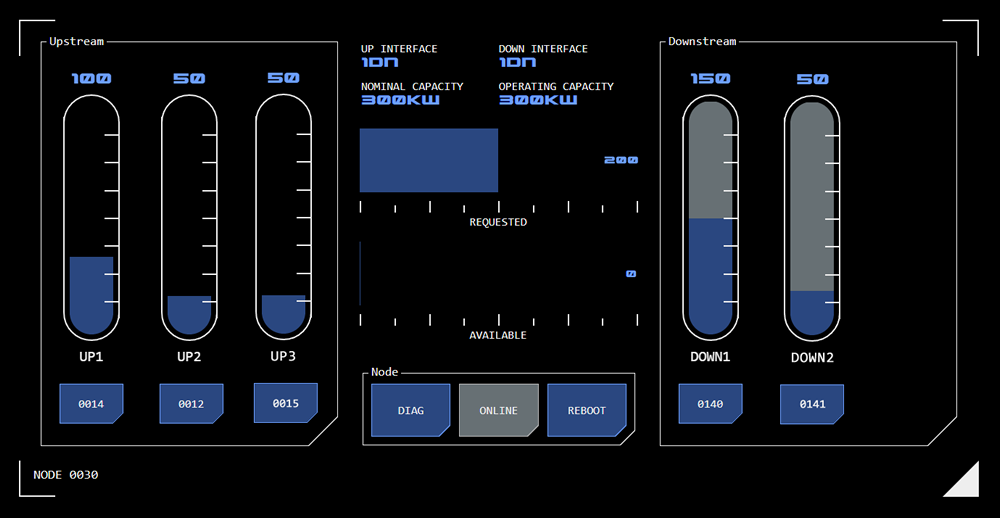
In addition to the power connection there is also telemetry connectivity between a system node and the ship system being supplied with power. This enables a system node to monitor and report on the status of the connected system via the node's diagnostic interface.
Control Interface
Each node has a control interface which manages the distribution of power from upstream to downstream interfaces and provides system status and diagnostic information.
The control interface can be launched from a PDN console panel, or from a console that includes a system node using the associated POWER button.
More on Node Control Interface
System Groups
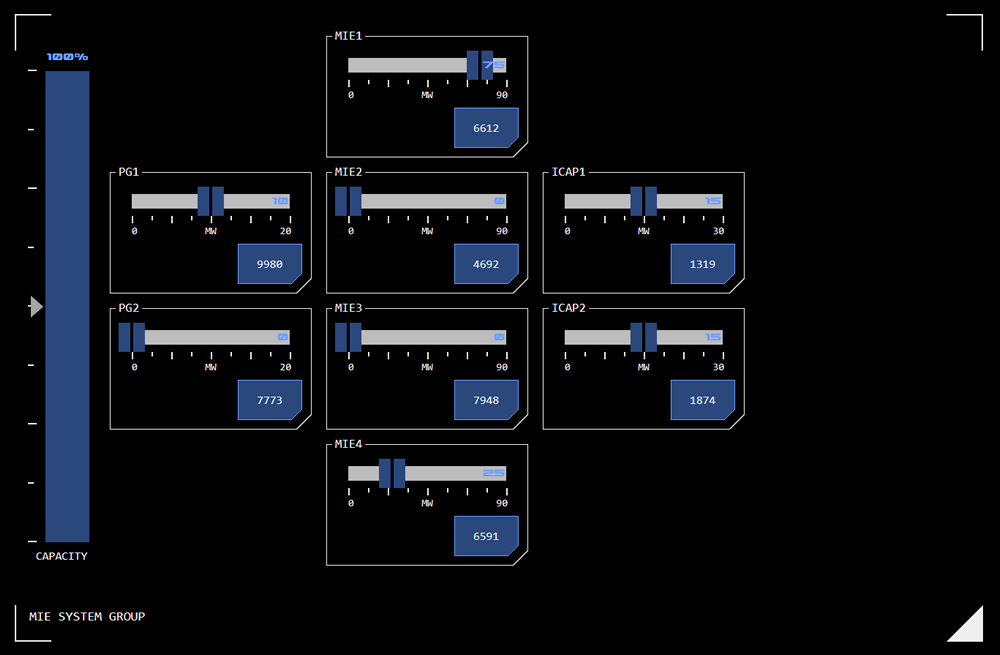
A system group is a functional grouping of system nodes that represent an operating vessel system.
For example the vessel's main MIE engines operate using plasma generators, plasma thrusters and impulse accelerators, each of which are represented by a system node. The MIE system group presents these component systems to assist with rapid diagnosis and configuration.
The monitoring overlay interface for system groups has a significantly different layout to PDN nodes. It can be launched from condition monitors or from a console that includes a system group using the associated SYSTEM button.